Things to do on Hilton Head Island
Twelve miles of beach, sixty miles of bike path, and a short list of things genuinely worth leaving the sand for.
Start here
Most of what you will do on Hilton Head happens on or near the beach, and that is the correct way to use this island.
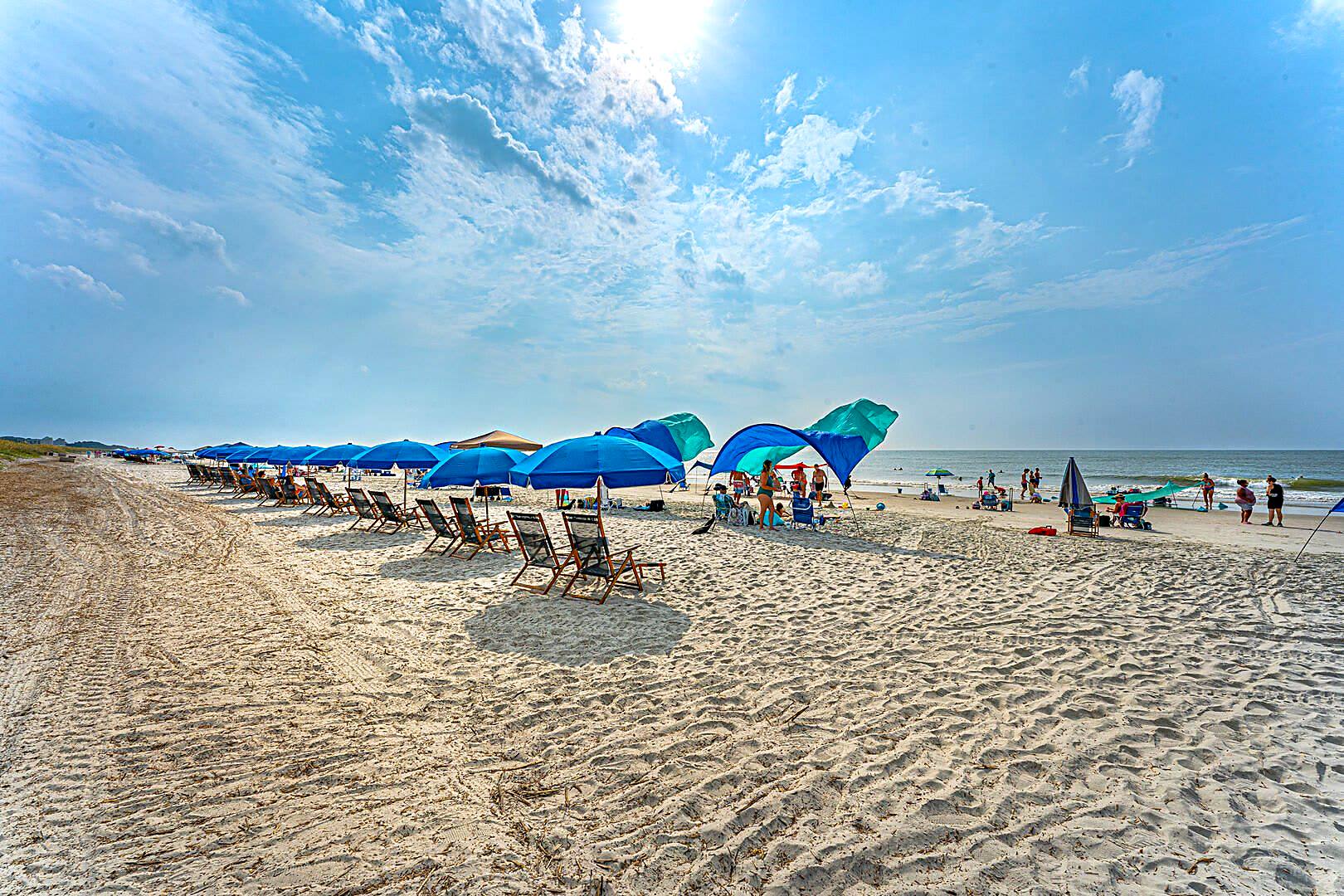
The sand here is unusual. It is fine and it compacts hard at low tide, firm enough to ride a bicycle along the waterline, firm enough that a stroller or a beach cart rolls instead of digging in. Twelve miles of it, all public from the ocean to the high-water mark.
This list is written by people who own a house on the north end and use the island year round. It is not comprehensive, deliberately. It is what we tell guests.
01
The beaches
Seven public access points, and only one has free parking. That single fact shapes where everybody ends up.
The Town of Hilton Head Island charges for parking at every public beach access except Coligny Beach Park. Coligny is therefore free, central, next to a shopping plaza and permanently rammed. The paid lots on the north end can be half empty on the same July afternoon.
If you are willing to pay for parking you get a quieter beach. Framed that way, most people would rather pay.
| Coligny Beach Park | Free parking, showers, plaza across the road. Busiest on the island |
|---|---|
| Folly Field Beach Park | North end. Boardwalk, seasonal lifeguards, seasonal accessibility matting |
| Driessen Beach Park | Playground, picnic shelters, the biggest north-end lot |
| Burkes Beach | The quietest access on the island. Almost no facilities |
| Islanders Beach Park | Residential, low key, off Folly Field Road |
| Fish Haul Beach Park | Sound side. Shelling and birds rather than surf |
| Alder Lane | Small, south end, off South Forest Beach Drive |
02
Biking, including on the beach
Hilton Head has roughly sixty miles of paved multi-use path, largely separated from traffic and shaded by live oaks for much of its length. It is the best-designed thing on the island and it is why so many people who come here stop using their car by day three.
Ride the beach at low tide. This is the one to do. The sand is firm enough near the waterline to ride on, and at low tide the beach opens out wide. Early morning, before the umbrellas go up, is as good as this island gets. Check a tide chart, stay off the soft sand, and give walkers room.
Rentals are widely available and most rental houses have bikes or can arrange them.
03
On the water
Dolphin cruises
Bottlenose dolphins are resident in the waters around the island and sightings on a dedicated cruise are close to reliable. Worth doing once, and children remember it.
Kayaking and paddleboarding
The lagoon systems and the tidal creeks behind the island are calm, sheltered and full of birdlife. A better introduction to the low country landscape than anything you will see from a road.
Fishing charters
Inshore for redfish and trout, offshore for the bigger stuff. Half-day inshore trips suit families.
Sunset cruises
Quiet, and the marsh light in the last hour of the day is genuinely worth the ticket.
04
Harbour Town and the lighthouse
The red-and-white striped lighthouse in Sea Pines is the island's most photographed object, and the harbour around it is pleasant in the early evening.
Two things worth knowing. Sea Pines charges non-residents a daily gate pass to drive in, so it is not a free stop. And it is at the far south end, which from the north end is a proper drive rather than a whim.
Go once, in the evening, and climb the lighthouse if the queue is short.
05
Nature and wildlife
Pinckney Island National Wildlife Refuge
Just off the island on the way in. Flat walking and cycling trails through salt marsh and maritime forest, with wading birds, herons and alligators. Free, quiet, and the best hour of nature available here.
Coastal Discovery Museum
On a former plantation site with live oak allées, gardens and marsh boardwalks. Works in any weather, which makes it the reliable rainy-day answer.
Alligators
They live in the freshwater lagoons and ponds, which are everywhere here including inside residential communities. They are not an ocean animal and they are not a beach problem. Keep well back, never feed them, and keep dogs and small children away from lagoon edges. Treat them as scenery and they stay scenery.
Sea turtles
Loggerheads nest on these beaches through the summer. Nests get marked and monitored. If you are here in season, respect the markers and follow the lighting rules at night, which exist because hatchlings navigate by moonlight on water.
06
Golf, briefly
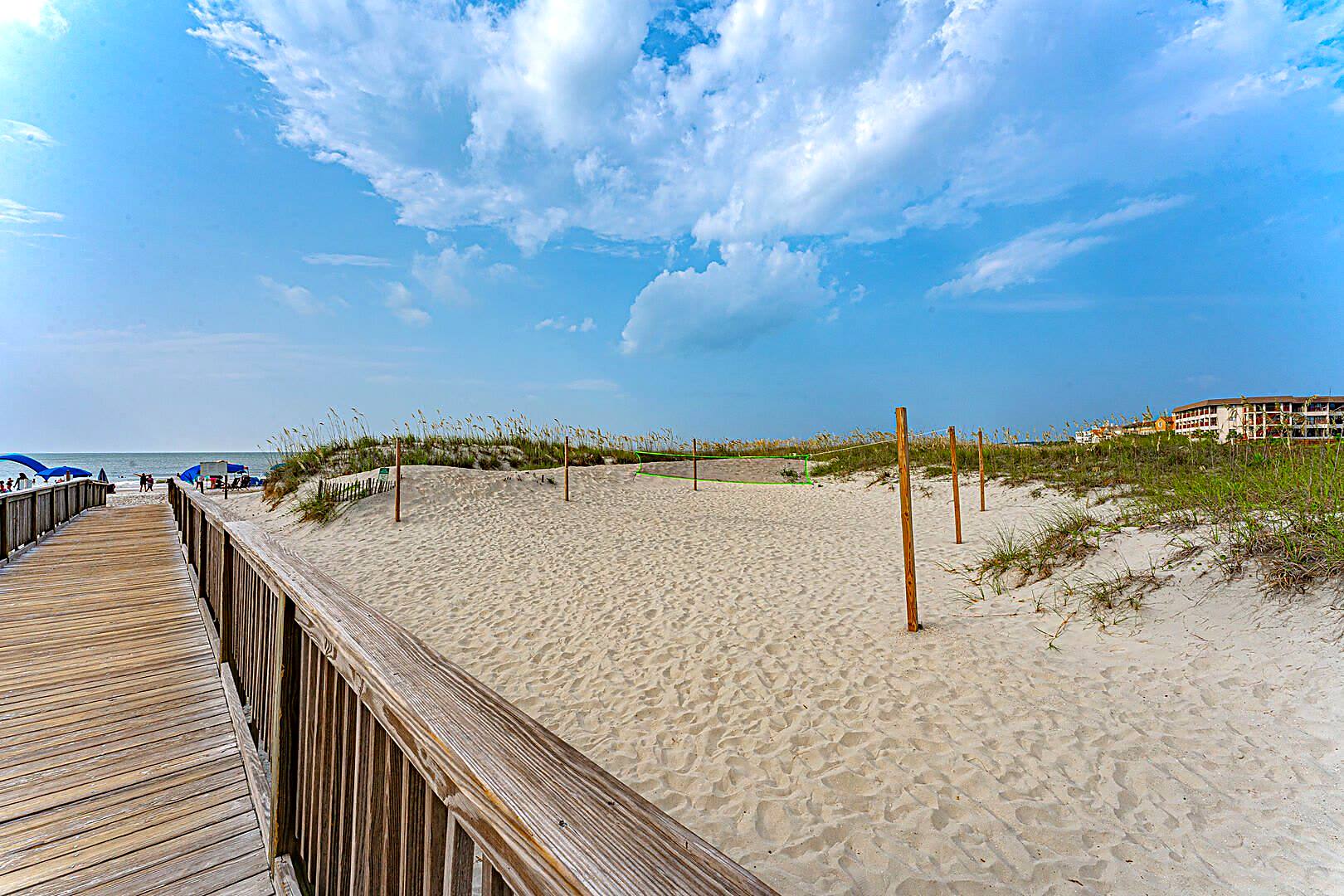
Worth noting for anyone organising a team trip: the island also has tennis and pickleball centers and beach volleyball on the sand, which is why sports groups turn up here outside the summer months.
Hilton Head has around two dozen courses and Harbour Town Golf Links hosts a PGA Tour event every spring. If golf is why you are coming, you already know more about this than we do and there are better sources than a beach guide.
What is worth saying to everyone else: golf is why the island looks the way it does, and it is why a lot of the accommodation sits inside gated communities built around fairways. That shapes where you end up staying more than most visitors realise.
07
With children
Adventure Cove
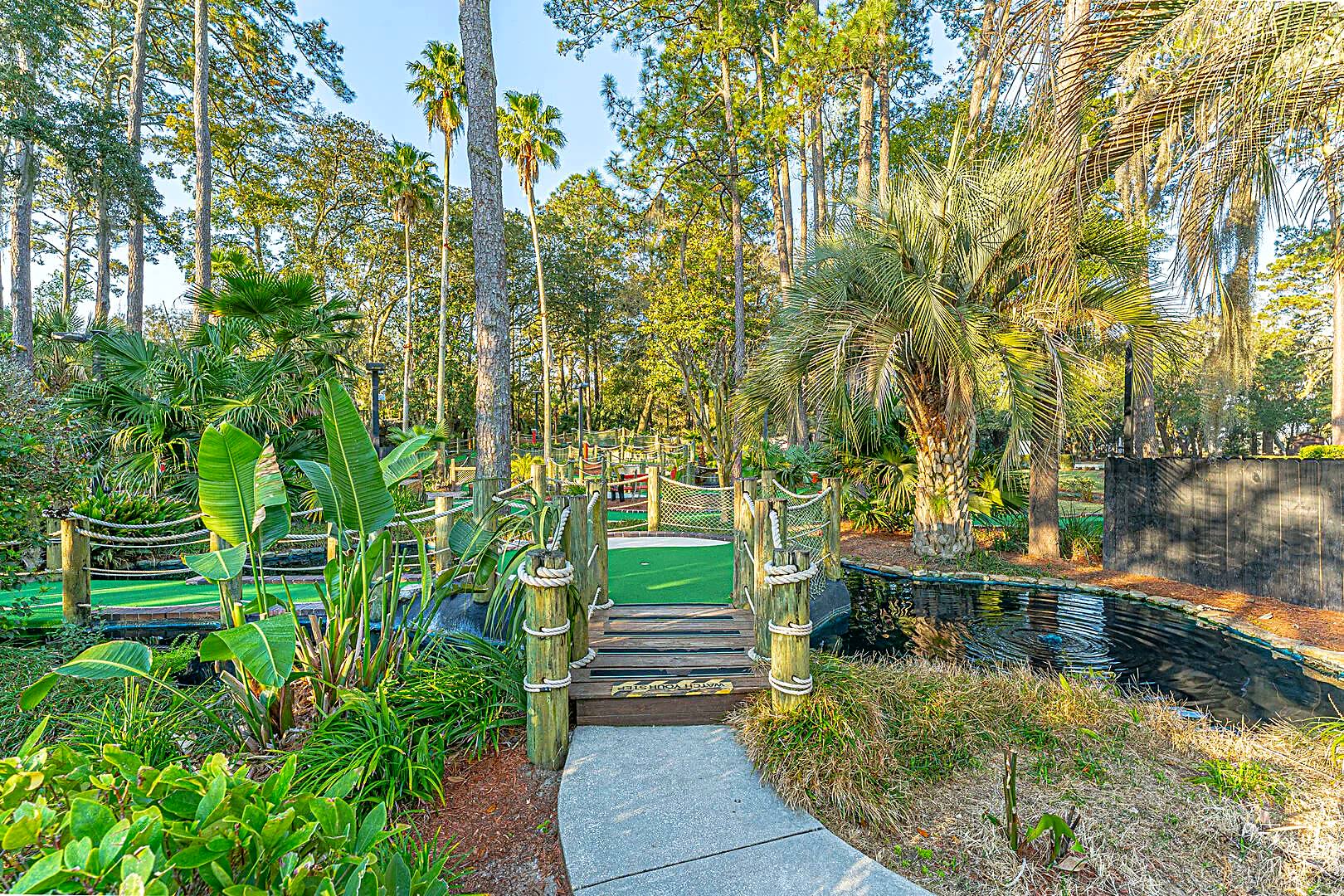
Two mini golf courses built into real planting with bridges over water, plus an arcade indoors. This is the rainy afternoon answer and also the thing that buys the adults an hour when a week of sand has stopped being enough.
Which beach
Folly Field or Islanders for young children. Firm sand for strollers and carts, gentle shore slope, and thin enough crowds that you are not tracking four kids through a crowd.
Free things
The beach, obviously. Pinckney Island. Watching the shrimp boats. Shelling at Fish Haul on the sound side, which is the better shelling beach by a distance.
08
Shopping and eating
Tanger Outlets in Bluffton, 20 to 30 minutes off-island, is the big one and it is a genuine rainy-day plan. Coligny Plaza is the walkable option if you are staying south. On the north end, 40 Folly Field Road holds the only nearby cluster of bars and restaurants.
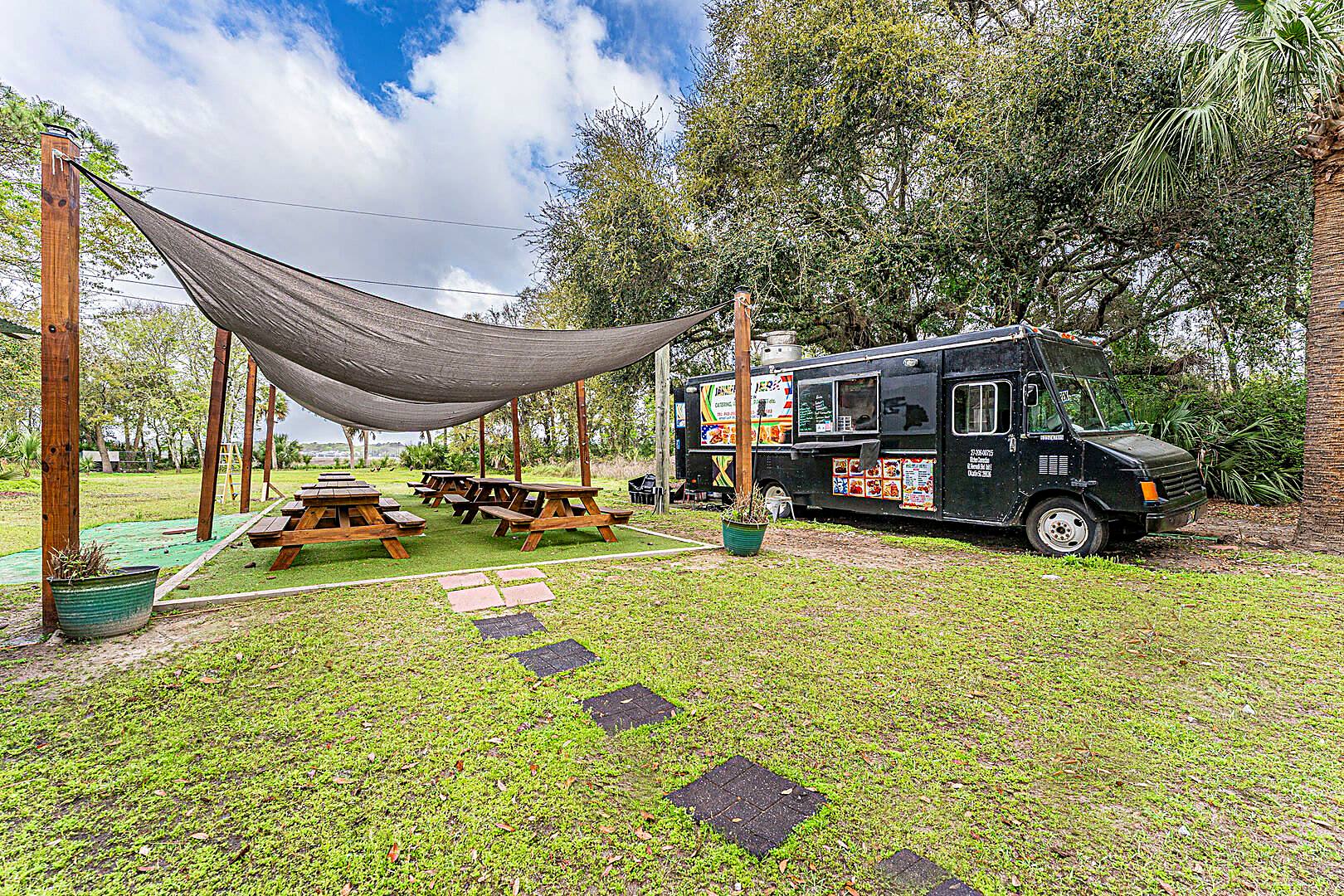
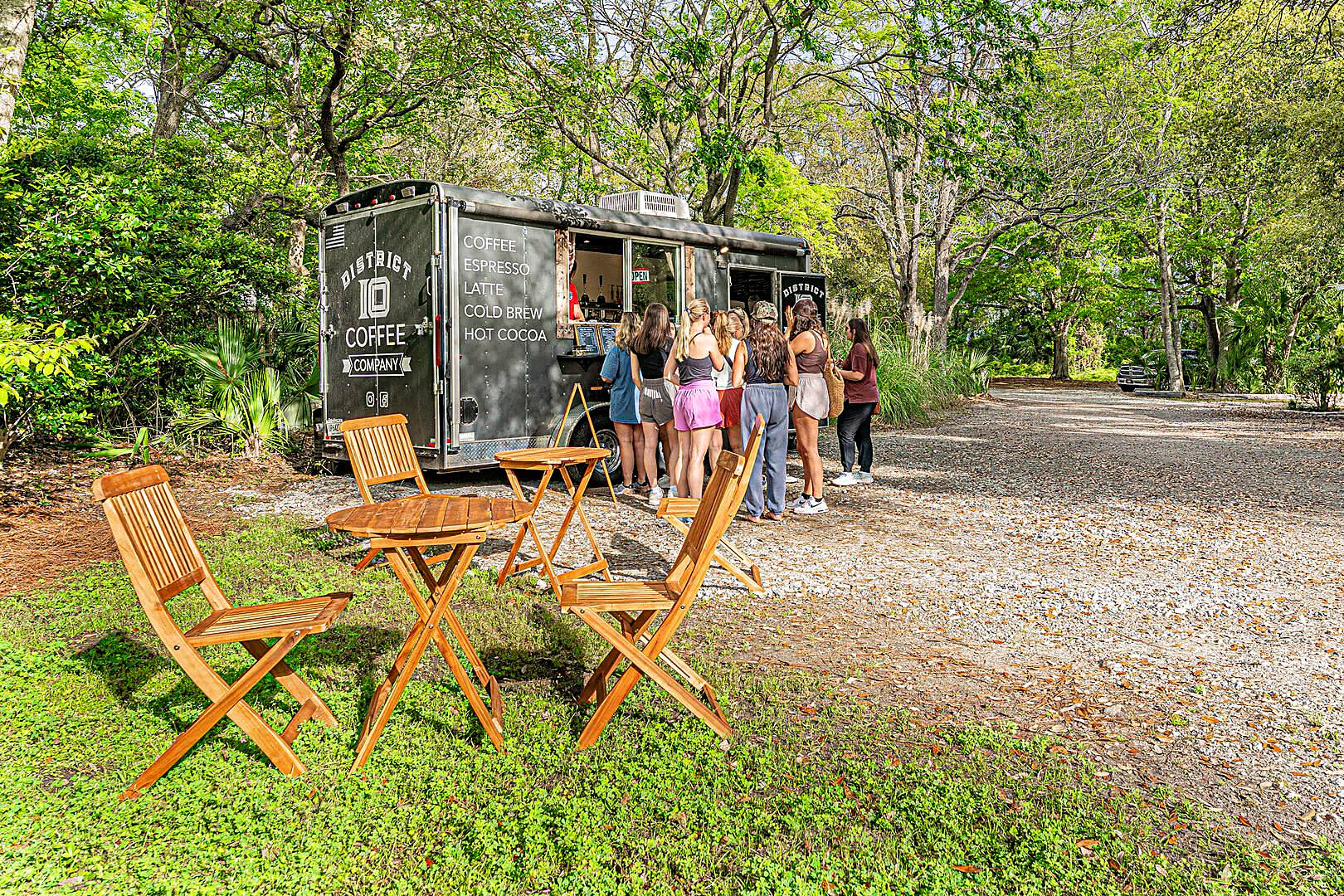
For food worth a detour rather than a meal: Barnacle Bill's, a fresh seafood market with a food truck park attached. Buy shrimp to cook, or eat from whatever trucks are parked under the shade sail. It is the least resort-like thing on the island and people are fiercely loyal to it.
09
What changes by season
The single most useful thing to understand about this island is that the air and the ocean are months apart.
| March | Lovely weather, cold ocean (~57°F). Beach walking, biking, empty sand. Not swimming |
|---|---|
| April | Air in the mid 70s, ocean ~65°F. The classic trap. Looks like summer, swims like winter |
| May | The turn. Ocean ~73°F and the island has not filled up. One of the two best months |
| June to September | Warm water, busiest, most expensive, hardest to park |
| October | The other best month. Ocean still ~73°F, crowds gone, prices down |
| November to February | Not swimming weather. Still good for walking, biking and light |
10
Three days, if that is all you have
Day one. Beach in the morning at whichever access is nearest. Lunch somewhere with sand on the floor. Bike the island paths in the afternoon when the sun is worst.
Day two. On the water, a dolphin cruise or a kayak trip. Harbour Town in the evening for the lighthouse and the harbour.
Day three. Ride the beach at low tide first thing. Pinckney Island or the Coastal Discovery Museum. Finish at whichever beach is quietest, which on this island usually means the north end.
Straight answers
Common questions
What is Hilton Head best known for?
Twelve miles of wide, hard-packed beach, championship golf, and around sixty miles of bike path. The firm sand is what people remember.
What is there to do besides the beach?
Biking, kayaking, dolphin cruises, fishing, Harbour Town, the Coastal Discovery Museum, Pinckney Island, mini golf and Tanger Outlets.
Is it good off season?
Yes, for everything except swimming in the sea. March, April, October and November have mild air, empty beaches and lower prices.
Are there alligators?
Yes, in the freshwater lagoons and ponds, not the ocean. Keep back, do not feed them, keep dogs away from lagoon edges.
What is there to do when it rains?
Adventure Cove, the Coastal Discovery Museum, Tanger Outlets. Summer rain here is usually a short afternoon storm rather than a day.
Can you ride a bike on the beach?
At low tide, yes, and it is one of the best things about this island.
Do you need a car?
In most areas yes, though a golf cart replaces it for beach and local trips. Coligny is the one genuinely walkable area.
Where we are
122 Sandcastle Court, Folly Field
Six bedrooms, sleeps 22, heated private pool, elevator, three blocks from the Folly Field boardwalk on the island's north end.
We wrote this guide because we own a house here and answer these questions constantly. If you are putting a family, a church group, a team or a reunion on this island, particularly outside high summer, there is a section written specifically for organizers.
Keep reading